

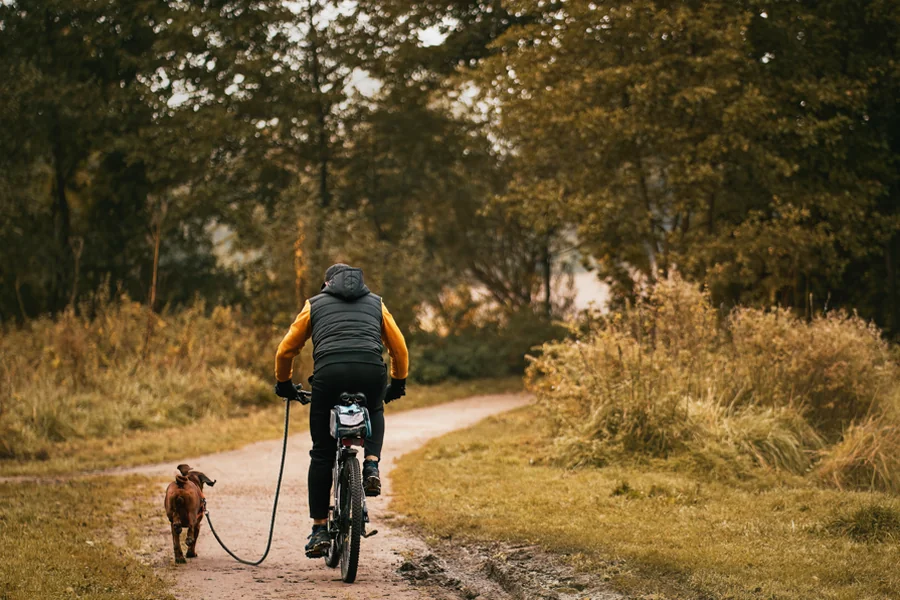
Cycling with your furry companion can be one of life’s most rewarding experiences, combining exercise, adventure, and quality bonding time. However, this activity requires careful preparation, proper training, and the right safety equipment to ensure both you and your pet stay safe and comfortable on every ride.
Building Your Pet’s Cycling Fitness Gradually
Before hitting the trails or streets, your pet needs time to develop the stamina and conditioning required for cycling adventures. Start with short walks alongside your bike while you push it, allowing your companion to get accustomed to the bicycle’s presence and movement. This initial phase helps reduce anxiety and builds positive associations with the equipment.
Begin actual cycling sessions with very brief distances, watching closely for signs of fatigue such as excessive panting, lagging behind, or reluctance to continue. Gradually increase the distance and duration over several weeks, much like you would train for a marathon yourself. Remember that paws need time to toughen up for pavement and various terrains, so regular inspection for cuts, abrasions, or pad wear is essential during this conditioning period.
Essential Connection Equipment and Bike and Dog Leash Systems
Choosing the right connection system between your bicycle and pet is crucial for safety and control. A specialized bike and dog leash attachment provides much better stability and control than attempting to hold a regular leash while cycling. These systems typically feature shock-absorbing springs that reduce sudden jolts and pulls, protecting both cyclist and pet from unexpected movements.
Look for hands-free attachment systems that connect to your bike frame rather than your body, as this provides better balance and steering control. The best bike and dog leash setups include quick-release mechanisms for emergency situations and adjustable lengths to accommodate your pet’s size and gait. Ensure the connection point is low enough on your bike to maintain stability but high enough to prevent the leash from interfering with wheels or pedals.
Protective Gear for Your Four-Legged Companion
Just as cyclists wear helmets and protective equipment, your pet needs appropriate safety gear for cycling adventures. Protective booties shield paws from hot pavement, rough terrain, sharp objects, and road salt in winter conditions. These should fit snugly without restricting natural movement or circulation.
Reflective vests or LED collar lights significantly improve visibility during early morning, evening, or cloudy conditions. Bright colors help other cyclists, pedestrians, and vehicle operators spot you and your companion from greater distances. Consider adding reflective strips to your pet’s gear and your own clothing for maximum visibility.
A properly fitted harness distributes pulling forces more evenly across your pet’s chest and shoulders compared to traditional collars, reducing strain on the neck and throat. Look for padded options with multiple adjustment points to ensure comfort during longer rides.
Weather Considerations and Hydration
Temperature awareness is critical when cycling with pets. Paws can burn on hot pavement, and many animals struggle with heat regulation during exercise. Early morning or evening rides often provide the most comfortable conditions. Carry plenty of water for both yourself and your companion, stopping regularly for hydration breaks.
Cold weather presents different challenges, including ice, salt, and freezing temperatures that can damage paw pads. Protective booties become even more important in winter conditions, and shorter rides may be necessary when temperatures drop significantly.
Training Commands and Safety Protocols
Teaching specific commands enhances safety and enjoyment for cycling expeditions. Basic commands like “slow,” “stop,” and “wait” help manage pace and navigation. Practice these commands during walking sessions before attempting them while cycling.
Establish clear protocols for encountering other cyclists, pedestrians, wildlife, and vehicles. Your pet should understand how to move to one side of the path and maintain position without crossing in front of your bicycle.
Pre-Ride Safety Checks
Develop a routine inspection before each cycling session. Check your pet’s paws for cuts, embedded objects, or swelling. Verify that all safety equipment fits properly and shows no signs of wear or damage. Ensure water supplies are adequate for the planned distance and weather conditions.
Conclusion
Cycling with pets requires patience, preparation, and the right equipment, but the rewards of shared adventures and improved fitness make the effort worthwhile. Start slowly, invest in quality safety gear, and prioritize your companion’s comfort and well-being above distance goals. With proper training and equipment, you and your pet can enjoy countless miles of safe, enjoyable cycling experiences together.
